Work Boots, Indexed: by Trade, Spec, and Fit
Workplace requirements differ by task, surface, weather exposure, and employer rule. This index starts with those constraints, then separates documented manufacturer facts from editorial comparison and unresolved evidence gaps.
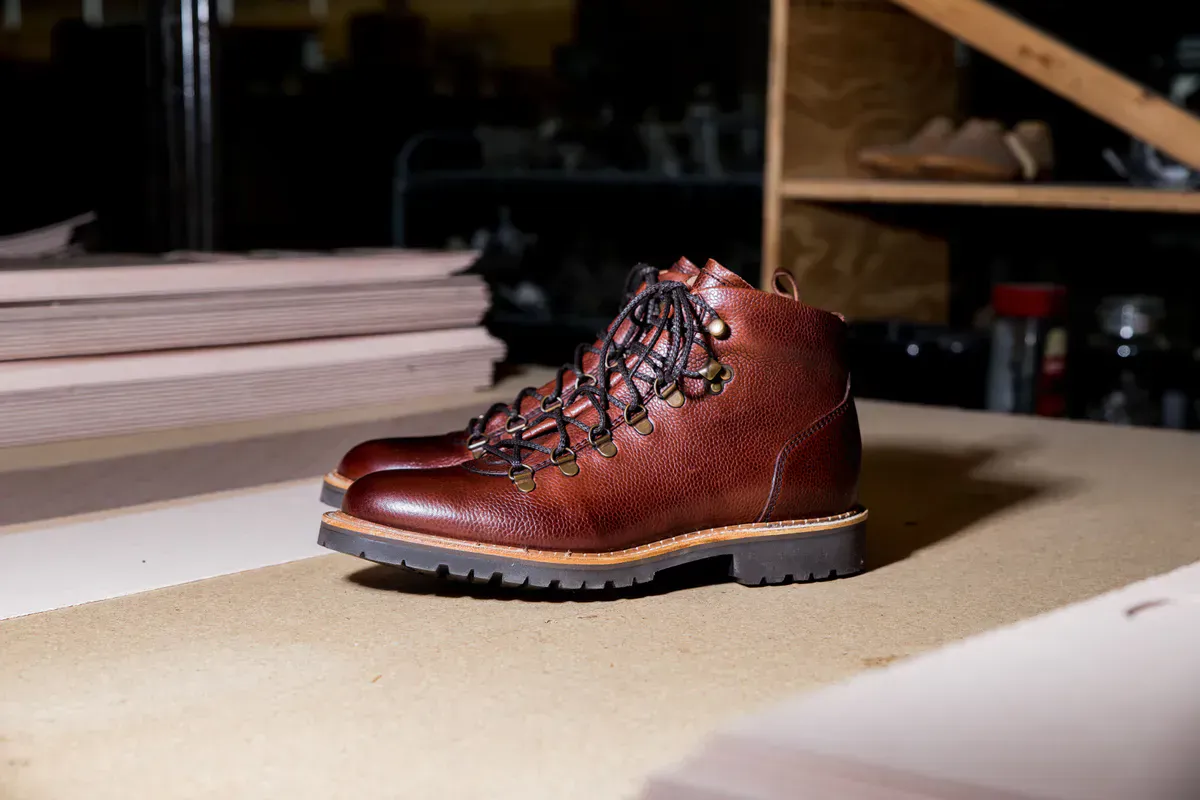
Boot Guides by Trade
A poor fit or the wrong workplace marking can end a purchase quickly. Start with your trade, check the spec guides for anything your site rules require, and use the fit guides before trusting any pick list, ours included.

Welders
Toe, upper, spatter, and metatarsal evidence gaps stated.
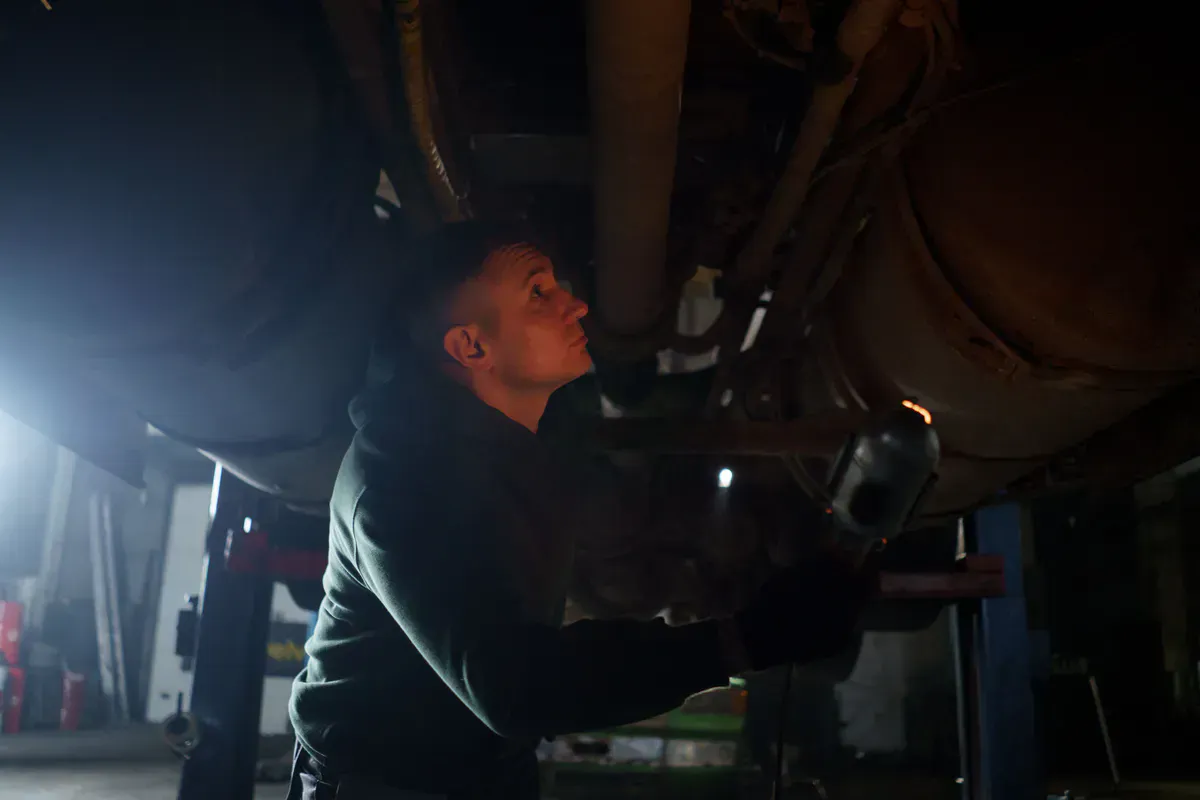
Mechanics
Toe rules and documented outsole and underfoot facts for shop floors.

Landscapers
Waterproofing, toe requirements, and outsole claims for varied ground.

Truck Drivers
Weather, toe, retention, and outsole questions for cab and dock.

Warehouse
Toe rules, documented widths, and underfoot construction for hard floors.
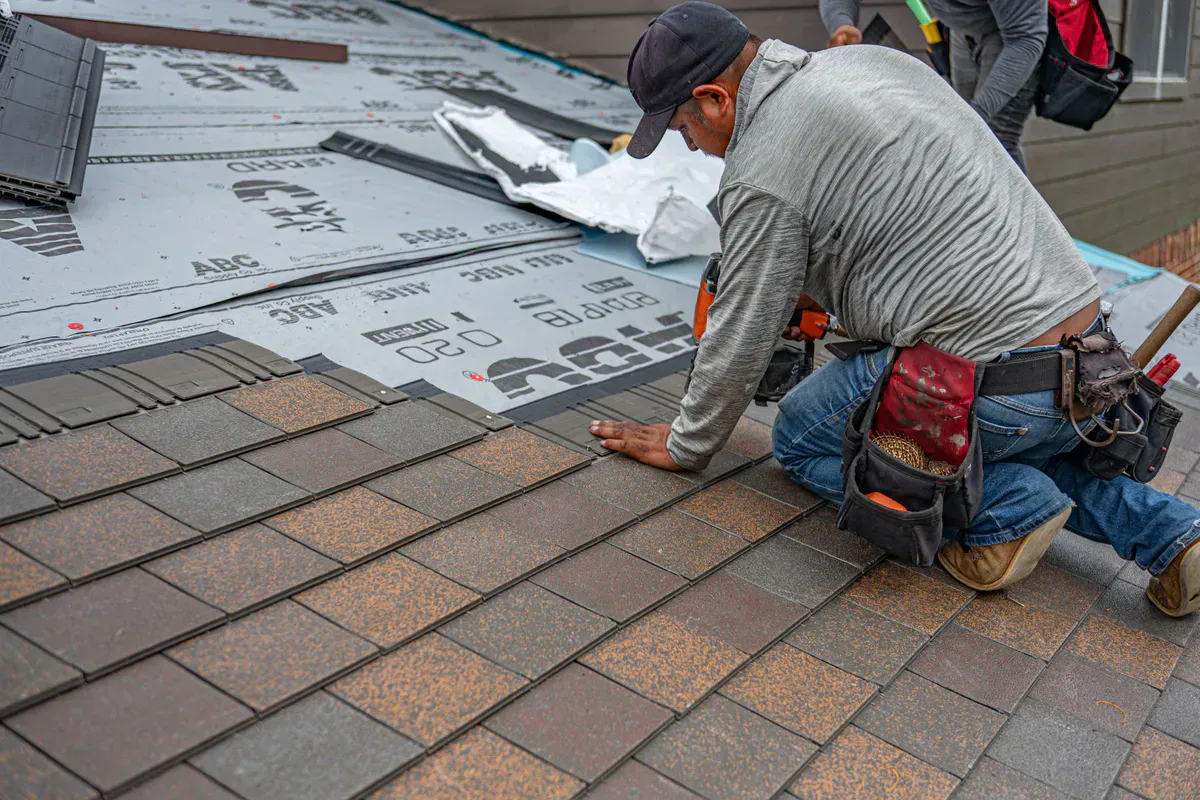
Roofers
Start with shingles, steel or membrane; check toe requirements before comparing wedges.

Ironworkers
Safety-toe, shank, and metatarsal evidence gaps for bar work.
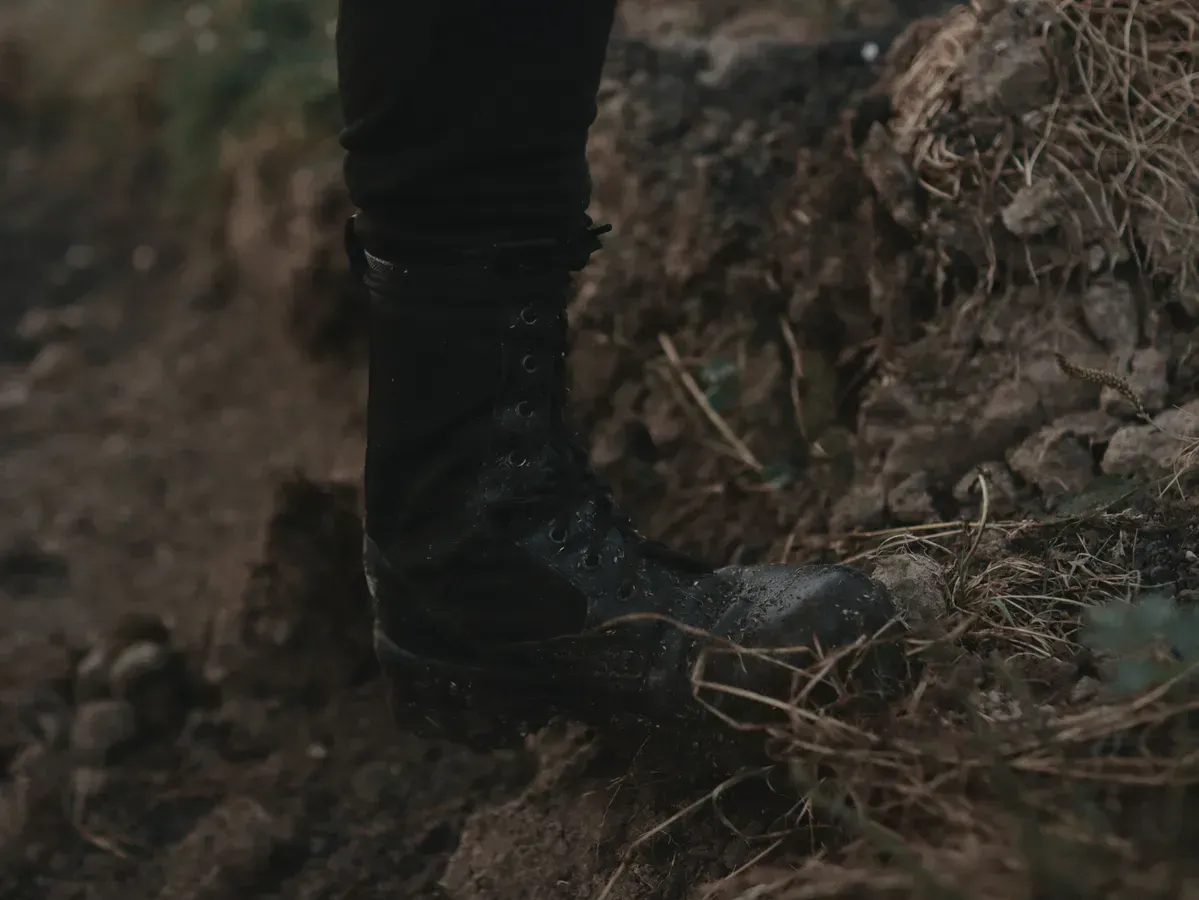
Farm & Ranch
Weather, outsole, toe, and exposure limits for varied chores.
Boot Guides by Safety Spec and Surface
Specifications and exposure conditions constrain a footwear decision. These guides compare exact labels and separate ordinary buying questions from conditions that require employer-selected protective equipment.
Working above ground? The roofing surface and toe checks separate shingle, steel and membrane questions before a boot comparison. A general slip-resistant label does not settle that decision.
- Composite vs steel toe guide
Composite Toe vs Steel Toe
Cap material is only one variable. Compare the exact finished-boot marking, weight, insulation, fit, and workplace requirements.
- Compare electrician boots
Work Boots for Electricians
Three sourced EH options, the safety-toe decision, and OSHA's dry-condition and secondary-protection limits.
- Waterproof guide
Waterproof & Insulated
Compare named membranes and construction. The current sourced set includes one manufacturer-documented 400g insulated boot. No supported temperature range is claimed.
- Slip resistance guide
Slip Resistant
Compare exact manufacturer outsole language and any named standard. No general label promises traction on every wet, oily, or icy surface.
- Floors and wet pours
Work Boots for Concrete Floors
Compare documented toe, footbed and outsole features for standing or walking on cured floors. Wet concrete can cause chemical burns, so active pours need liquid-proof PPE.
Boot Guides by Fit
Break-in cannot reliably correct the wrong size or width. These guides focus on manufacturer-documented width options, removable footbeds, and underfoot structure.
After You Buy
Two guides cover the period after checkout. How long work boots last explains repair questions without promising a calendar. The break-in guide covers returnable starting fit, gradual wear, and material-specific maker instructions.
And if you want to know how anything on this site gets picked in the first place, the method is documented on how we pick boots. No brand placement, no commission ranking.
Common questions
What are the most comfortable work boots on the market?
Comfort cannot be ranked responsibly from a specification sheet. Start with the employer's protection requirements, then compare the exact size chart, available widths, toe construction, and documented underfoot components. Use a returnable indoor fitting and seek professional advice for persistent foot pain.
Are work boots good for standing all day?
A work boot is not automatically a good match for prolonged standing. Confirm required protection first, then compare manufacturer-documented width, footbed, midsole, shank, and outsole construction. Those specifications support a comparison, but they do not promise comfort or pain relief.
What is the best work boot for working on concrete?
First separate wet concrete from a cured, dry floor. Wet concrete requires employer-selected protective equipment, and official guidance calls for waterproof or liquid-proof boots as conditions require. On a cured slab, follow the job's toe rule and compare documented outsole, footbed, midsole, and shank construction. There is no single best boot for both conditions.
Are work boots good for everyday wear?
Everyday use does not create a universal need for safety footwear. Compare the exact boot's toe type, construction, width options, and care instructions against the intended use. Do not assume that a safety-toe or soft-toe label predicts fit, weight, or comfort.