The Right Boots for the Job
Work-boot requirements change with the task, surface, weather exposure, and employer rule. The index starts with those constraints, then separates manufacturer facts from editorial comparison.
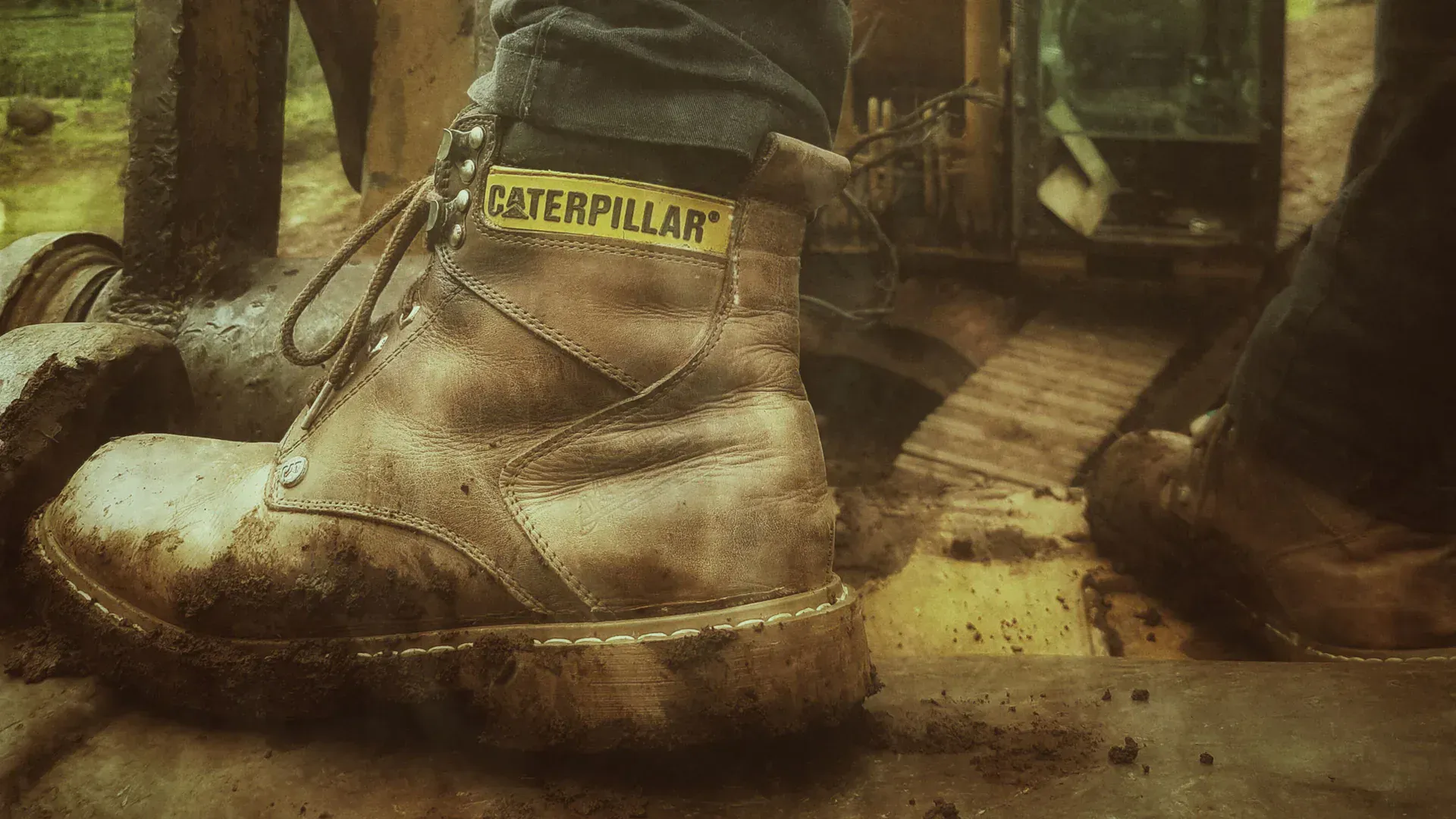
Example index fields: task, surface, weather exposure, required markings, and documented construction.
Published product specifications are checked against dated first-party records. Missing claims stay missing.
Every retained product has a dated first-party manufacturer record. Missing claims stay missing.
No brand buys a slot and no boot is ranked by what it earns us. Picks first, links second.
Start With What You Do All Day
Each guide starts from the trade's task and workplace constraints, compares the available records, and states where the evidence stops.
Browse the whole index
Welders
Toe, upper, and met-guard evidence gaps made explicit.
Mechanics
Toe types and documented outsole claims for shop floors.

Landscapers
Waterproofing and outsole facts for varied ground.

Truck Drivers
Weather, toe, and outsole trade-offs for cab and dock.

Warehouse
Toe rules, documented widths, and outsole claims for hard floors.

Roofers
Wedge constructions compared with roof-traction limits stated.

Ironworkers
Safety-toe and shank evidence gaps for bar work.
Farm & Ranch
Weather, outsole, and toe options for varied chores.
Know the Spec Before You Pay for It
These guides translate safety labels and surface conditions into a buying decision, including when ordinary work boots are the wrong PPE.
Start with the toe question- Compare composite and steel toes
Composite Toe vs Steel Toe
Cap material is only one variable. Compare the exact finished-boot marking, weight, insulation, fit, and workplace requirements.
- Compare electrician boots
Work Boots for Electricians
Three sourced EH options, the safety-toe decision, and OSHA's dry-condition and secondary-protection limits.
- Waterproof guide
Waterproof & Insulated
Compare named membranes and construction without treating waterproofing as insulation. The current sourced set includes one manufacturer-documented 400g insulated boot. No supported temperature range is claimed.
- Slip resistance guide
Slip Resistant
Compare exact manufacturer outsole language and named standards. No general label promises traction on every wet, oily, or icy surface.
- Boots for concrete floors
Work Boots for Concrete Floors
Standing or walking on cured floors, compared by documented toe, footbed and outsole. Active wet pours need liquid-proof PPE instead.
Fit, Care, and Repair
Fit, care, and repair require separate checks alongside any workplace marking. Use current size charts and the exact maker's material guidance.
Check Fit Separately From Markings
A required marking does not correct the wrong length, width, or interior volume. Use a returnable fitting and qualified advice for persistent pain.
Understand Repair and Replacement
Construction changes the repair options but does not promise a lifespan. Learn what cement and welt construction mean, then inspect the actual pair.
How We Pick
Dated manufacturer pages, safety documentation, and clearly labeled job-fit inference. Amazon reviews and star ratings are not evidence here.

A Sourced Index, Not a Persona
The Boot Index editorial desk publishes the site. AI tools assist source discovery, comparison, and drafting. Named manufacturer records and deterministic checks constrain what reaches the page. The site does not currently conduct hands-on wear tests.